Commercial Water Restoration in Bridgewater Club, IN
Commercial water restoration for Bridgewater Club buildings, with the file built from the first hour on site.
Bridgewater Club Water Restoration provides professional Commercial Water Restoration in Bridgewater Club: emergency availability every day of the year, certified crews, and coordination with your insurance carrier on approved claims. Call (765) 978-5086.
- Service: Commercial Water Restoration for Bridgewater Club homeowners
- Service area: Bridgewater Club, IN and surrounding areas
- Response time: Same day emergency response for Bridgewater Club; 24/7 availability
- Licensed and insured (License #RC21100059)
- Serving Bridgewater Club, IN since 2018
Commercial Water Damage Restoration in Bridgewater Club
We handle commercial water damage restoration throughout Bridgewater Club, and we'll stay on it from the first walkthrough to the final moisture readings.
Site Conditions
Parts of Bridgewater Club sit near regulated floodplain. Your building's own drains and roof get checked on the first walkthrough with whoever manages the property.
We cover commercial properties across Bridgewater Club, including the area around Bridgewater Club Fitness Center and Westfield High School. We also handle commercial water losses in Zionsville, Noblesville, Carmel and Westfield.
Commercial Water Restoration for Bridgewater Club Businesses
Heavy rain backed something up, and now water is coming in at ceiling level and tracking down interior columns and wall cavities. The visible wet spot is the smallest part of it. Bridgewater Club Water Restoration dispatches crews to commercial water losses in Bridgewater Club within 2 hours with thermal imaging and meters to find where the water went, then dries the assemblies it reached before the gypsum board and insulation go bad.
Commercial water damage work in Bridgewater Club follows the IICRC S500 water damage standard, and the IICRC S520 applies if mold turns up. Bridgewater Club Water Restoration logs readings by floor, location and material every day, so your management office can see the drying progress and ownership can see the basis for every day of equipment. Bridgewater Club Water Restoration has a water restoration manager who is IICRC certified.
Overhead water gets released first. When a ceiling tile or gypsum panel in your Bridgewater Club building sags with trapped water, Bridgewater Club Water Restoration crews puncture it at the lowest point over a bucket or a tarp, so the weight comes down where protection has been laid. Saturated tile and wet insulation above it follow, and the plenum gets dried afterward.
Most commercial policies expect prompt notice of a loss and reasonable steps to keep the damage from growing. Dated records of what was done and when show those steps. Your broker can tell you the notice deadlines on your form, and Bridgewater Club Water Restoration keeps the timeline for your Bridgewater Club property in writing from the first walkthrough.
Water found on a Saturday keeps spreading through the weekend, and Bridgewater Club Water Restoration takes commercial calls in Bridgewater Club on weekends and holidays. The person on the line walks you through shutoffs and what to relocate while the crew gets ready, and the documentation starts with that call.
Signs You Need Commercial Water Restoration
If you notice any of these in your Bridgewater Club building, schedule a free inspection before the issue worsens.
An interior roof drain leader gurgling or backing up during heavy rain
Water pooling at the base of an interior column or along a demountable partition track
Water tracking out from under a server rack or running along a cable tray
Vinyl wallcovering seams curling or bubbling on an interior partition wall
White chalky deposits appearing on a block wall or along a slab control joint
Drips from a ceiling mounted fan coil unit or a variable air volume box
Residents reporting a brown stain spreading across the corridor ceiling outside their unit
Brown stains forming on ceiling tiles beneath a roof drain location after a storm
Rust staining at the base of steel studs, shelving uprights or racking posts
Musty smell in a stockroom or storage closet that wasn't there last week
How Bridgewater Club Water Restoration Handles Commercial Water Restoration
We follow these steps in order on every Bridgewater Club job.
Engineering Walkthrough
Walkthrough runs with your building engineer to isolate the source, confirm which risers and panels are involved, and identify occupied areas that have to keep operating. Access needs and after hours windows get set during the same visit.
Source Shutoff and Water Category
The engineer or the trade that owns the failed line closes it off, and the crew photographs the failure point and notes what kind of water came out of it. That category call sets how each wet material gets handled.
Power and Panel Check
Before equipment goes in, your electrician deenergizes circuits that serve wet areas, and the crew checks outlets and floor boxes for moisture. Drying equipment then runs on protected circuits with the load spread across panels.
Containment and Zone Planning
Affected areas get polyed off and put under negative pressure where the water category calls for it, with corridors and egress kept clear. Zone boundaries get drawn with your management office so unaffected tenants keep working.
Extraction at Scale
Submersible pumps take standing water, truck mounted units pull saturation from commercial carpet and glue down assemblies, and weighted heads work the backing. Crews move in sections on large floor plates so water doesn't get pushed into dry space.
Commercial Water Restoration in Bridgewater Club
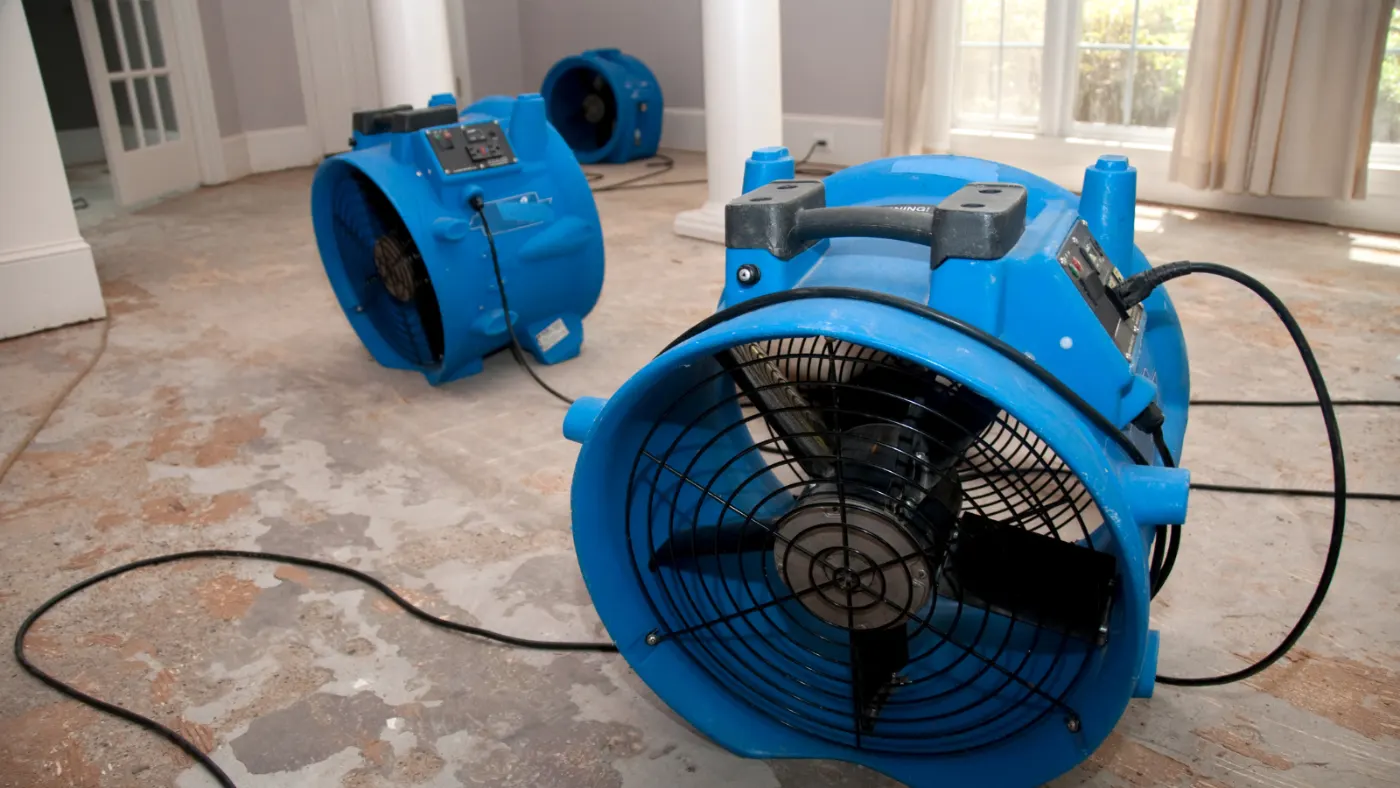
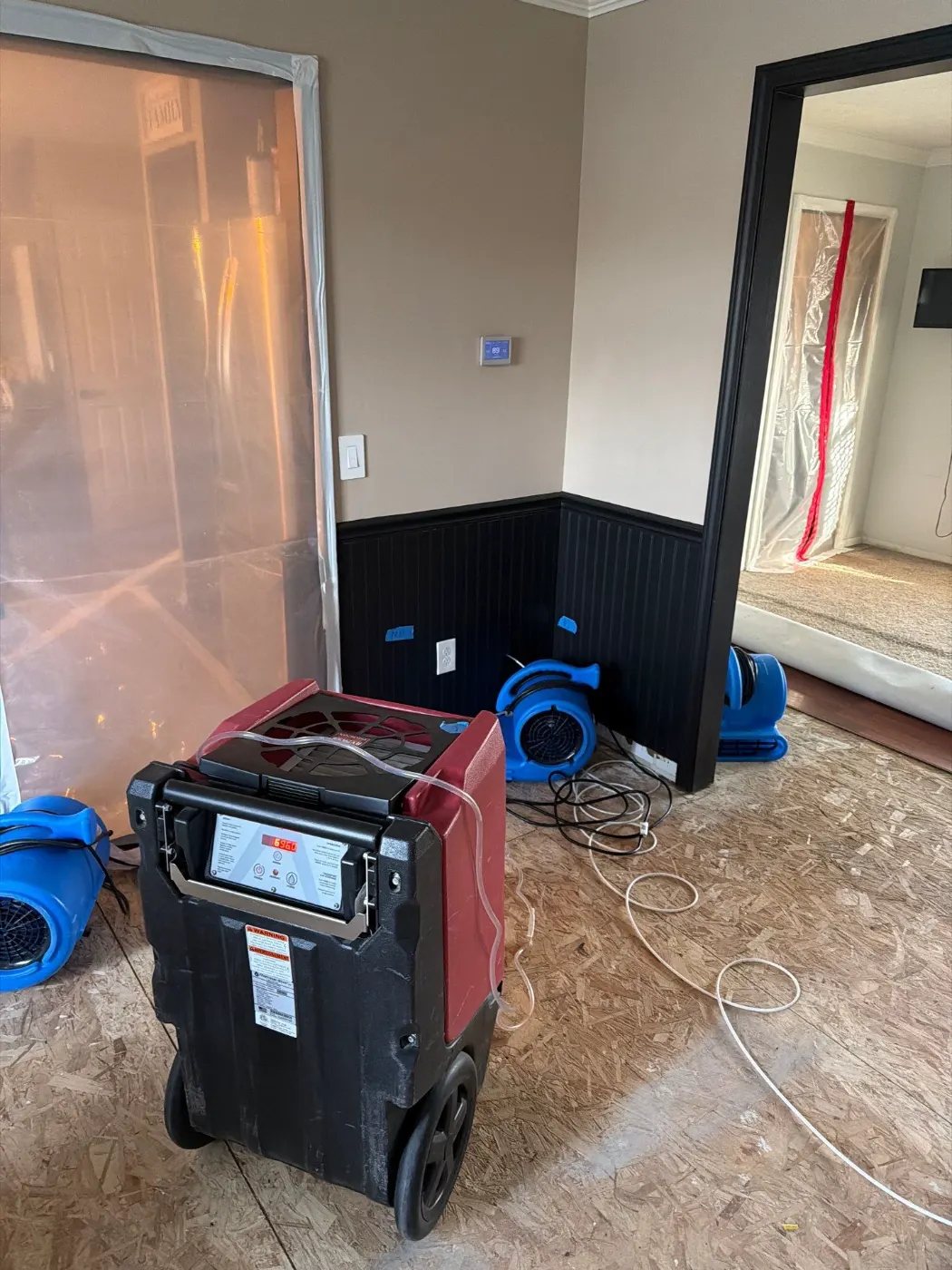
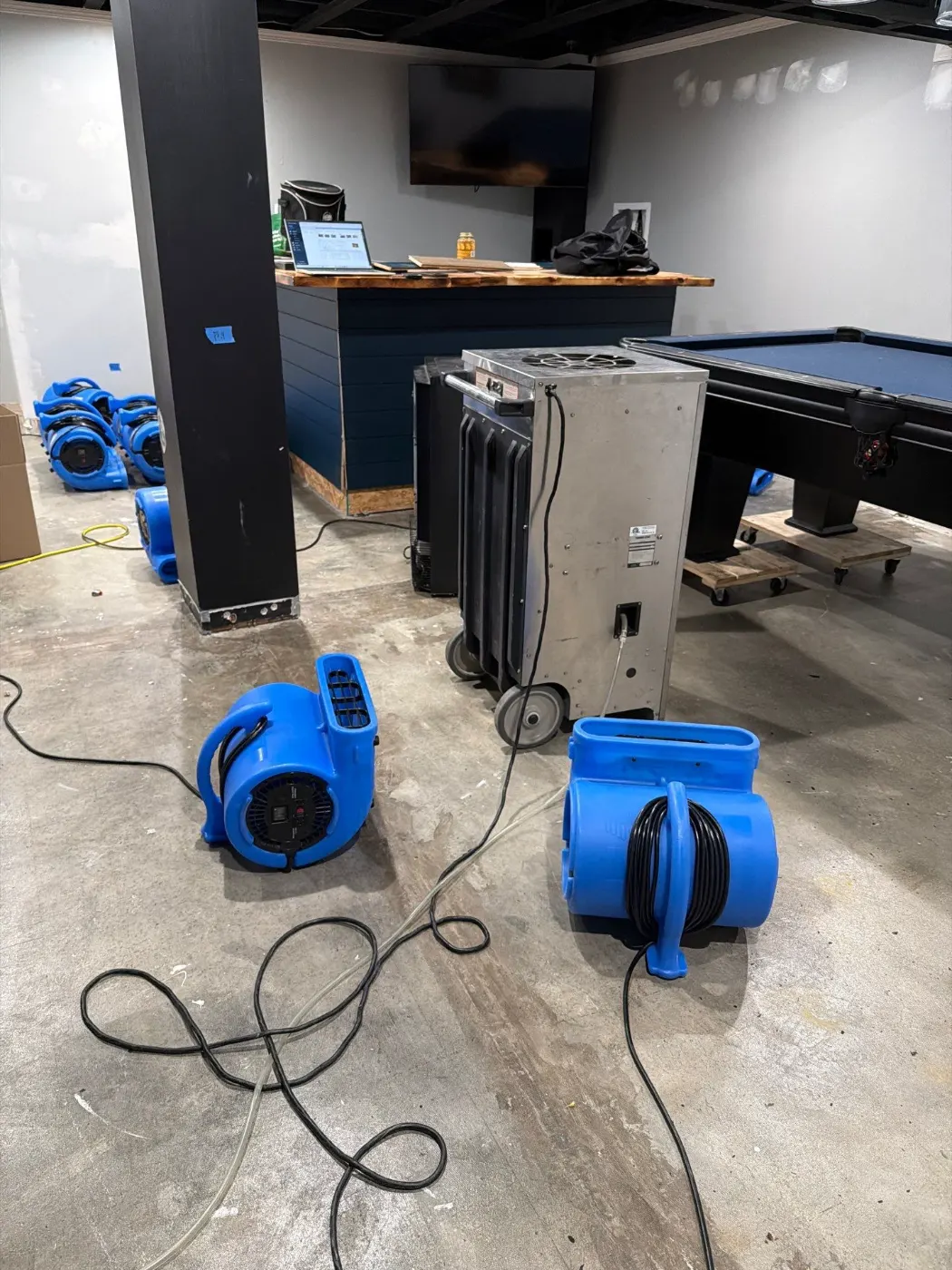
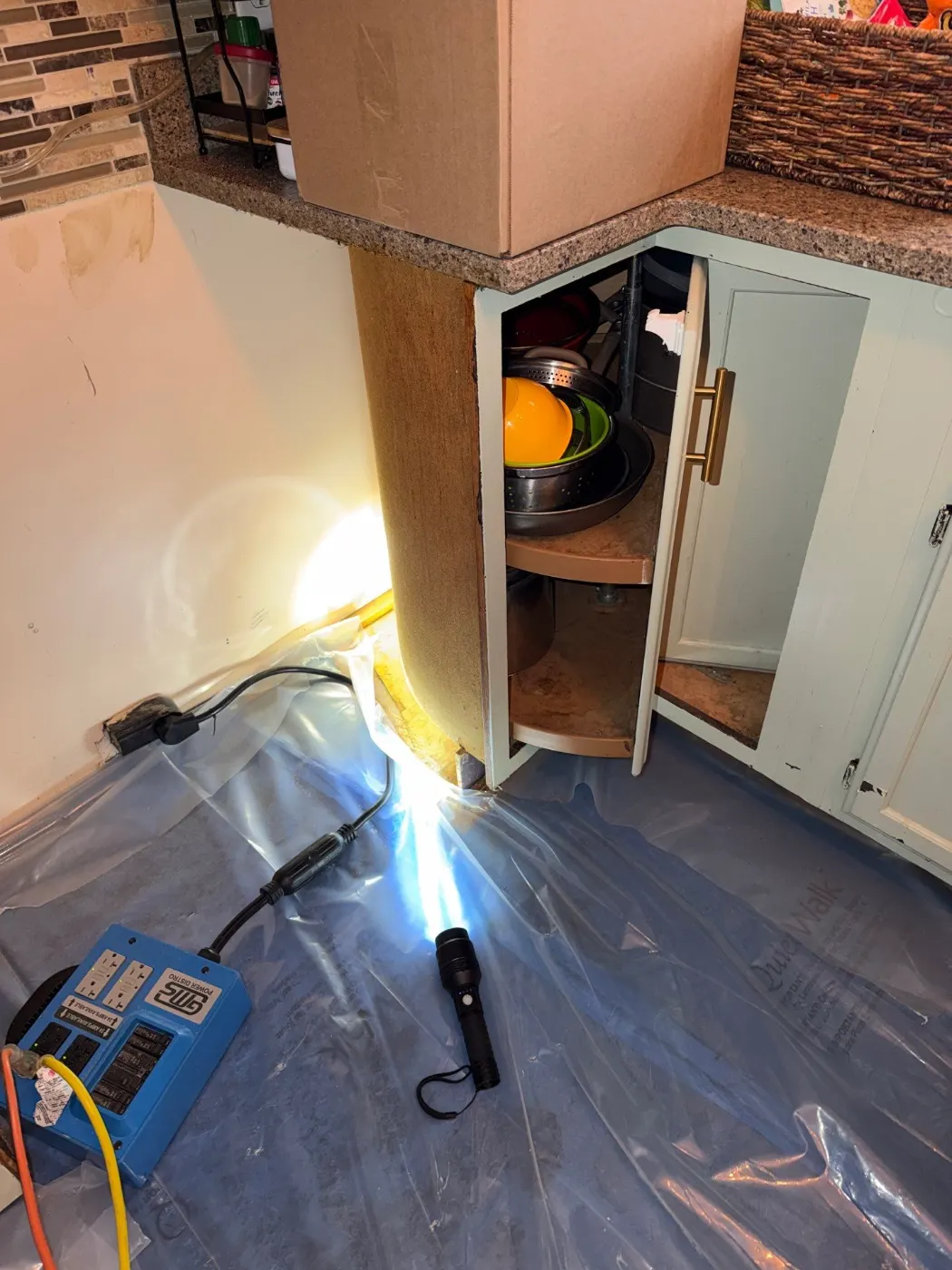
Photographs from real commercial water restoration jobs completed by our crew in Bridgewater Club and surrounding areas.
Commercial Water Restoration FAQ
Questions Bridgewater Club property managers ask us about commercial water restoration.
Guidance and Standards for Commercial Water Restoration
- The ANSI/IICRC S500 is the published standard for professional water damage restoration. The current edition is the Fifth Edition, 2021. IICRC S500 Standard
- EPA advises drying water damaged areas and items within 24 to 48 hours to prevent mold growth. EPA: A Brief Guide to Mold, Moisture and Your Home
Bridgewater Club Neighborhoods We Serve
We take commercial water restoration calls in every part of Bridgewater Club. Pick your neighborhood for local details.
Other Restoration Services in Bridgewater Club
Bridgewater Club Water Restoration handles the full scope of restoration work. Explore our other services below.
Water Damage Restoration in Bridgewater Club
24/7 emergency response. IICRC certified water restoration from extraction to full dry out.
Learn more →Basement Flooding in Bridgewater Club
Basement water emergencies handled fast. Extraction, drying, mold prevention.
Learn more →Sewage Cleanup in Bridgewater Club
Category 3 biohazard cleanup. Full containment, decontamination, structural restoration.
Learn more →Request Commercial Water Restoration
Reach Us Directly
Our team is available 24/7 for emergencies and ready to schedule inspections during business hours.
Need Immediate Help?
For active water or mold emergencies, call us directly. We are available 24/7.