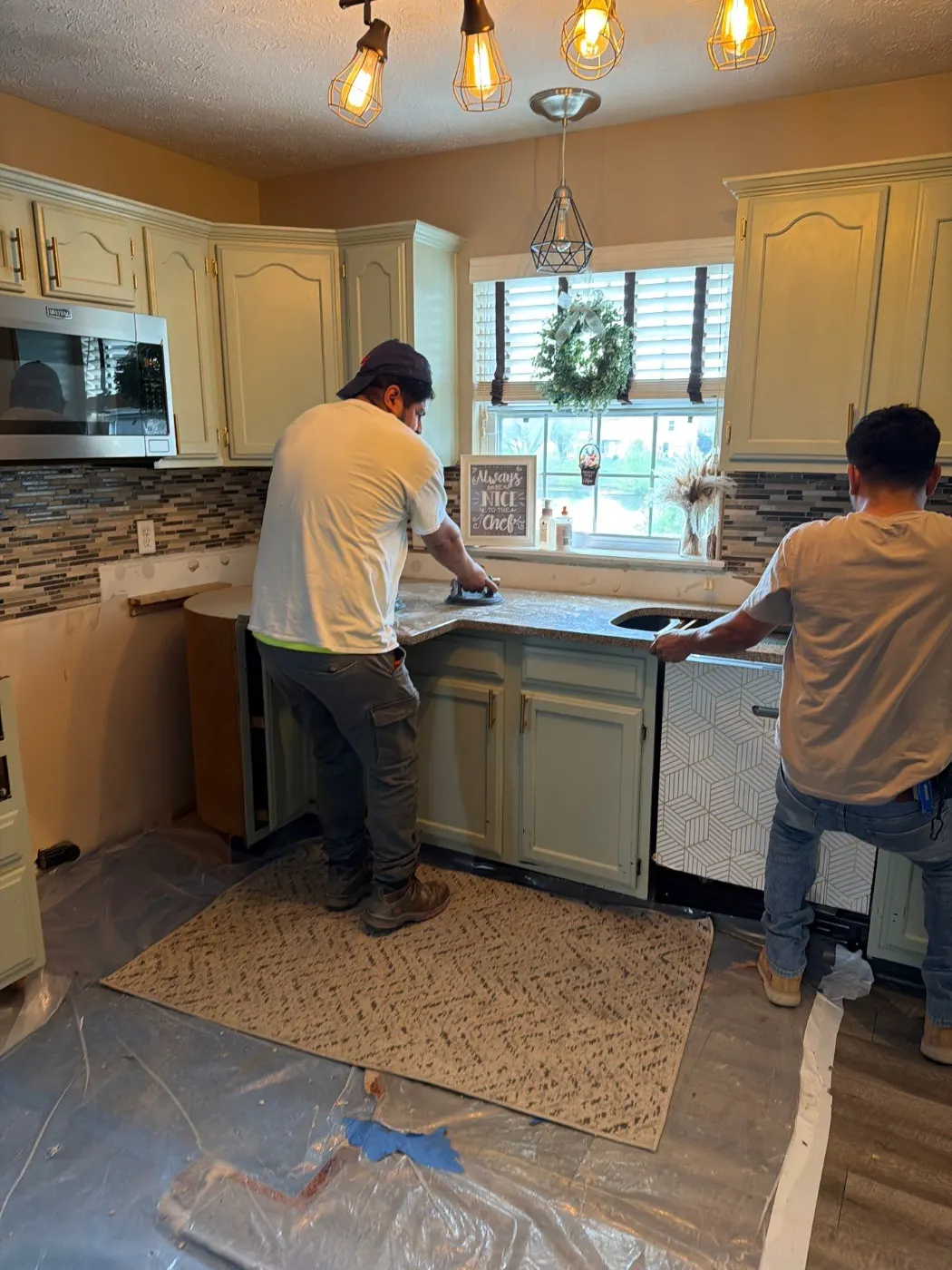
Storm Damage in Bridgewater Club, IN
Flash flooding at grade in Bridgewater Club extracted, contained and treated as contaminated water, with photos of every step.
Need Storm Damage in Bridgewater Club? Bridgewater Club Water Restoration answers 24/7 with certified crews, fast on-site response, and documentation built for your insurance claim. Call (765) 978-5086 now.
- Service: Storm Damage for Bridgewater Club homeowners
- Service area: Bridgewater Club, IN and surrounding areas
- Response time: Emergency water calls in Bridgewater Club get crews rolling, not callbacks
- Licensed and insured (License #RC21100059)
- Serving Bridgewater Club, IN since 2018
Storm Damage Cleanup in Bridgewater Club
We'll dry out your home in Bridgewater Club after storm water gets in through the roof or the basement.
Storms Here
Storms here can bring large hail. If your insurance company asks for a storm date, NWS Indianapolis keeps a list of past events.
After a storm we can be anywhere in Bridgewater Club, from Grassy Branch at Bridgewater to the roads around Carey Road and the Monon Greenway Trail. Nearby, we also dry out storm damage in Hamilton County, Fishers, Zionsville and Noblesville.
Expert Storm Damage for Bridgewater Club Homeowners
Drying a storm loss works in an order, and the order matters more here than on an indoor plumbing failure. Until the hole in the envelope is covered, every rain event puts water back into materials a crew just dried and the moisture log starts over. Bridgewater Club Water Restoration handles your Bridgewater Club call by stabilizing the opening, coordinating the permanent repair with your roofer, and running extraction and structural drying inside while that's getting scheduled. Crews dispatch within 2 hours, whatever time it is.
Drywall dries faster than the framing behind it, so Bridgewater Club Water Restoration reads the studs and the bottom plate separately from the wall surface. A wall that feels dry to the touch can still hold water at its base. Those framing readings decide when the drying equipment on your Bridgewater Club job gets turned off.
Attic work on a storm loss is hands and knees with a probe. Bridgewater Club Water Restoration technicians read insulation at depth, check the underside of the sheathing, look at the top plates where water collects and sits, and mark wet zones with tape so nothing gets missed when the removal crew comes through. Soaked batts and matted blown in get bagged and carried out, since they won't dry in place.
You keep the whole file. Bridgewater Club Water Restoration hands over the photo set, the daily moisture logs, the notes on where the water came in, the itemized scope, and the final clearance readings at the end of every Bridgewater Club storm job. If the claim gets reviewed months later, or you sell the house and a buyer's inspector asks about the ceiling patch, that package is the answer.
Take a few photos of the wet areas, then call Bridgewater Club Water Restoration. The pictures show what the storm did before anything gets moved, and the crew adds moisture readings and a written scope for your Bridgewater Club home. You decide how to use that record with your insurance company.
Signs You Need Storm Damage Restoration
If you notice any of these in your Bridgewater Club home, schedule a free inspection before the issue worsens.
A pin moisture meter reading far above the same wall in a dry room
Interior door frames swollen so the door rubs or won't latch
Shingle granules piled in the gutters or washed out at the bottom of a downspout
Paint or texture blistering along the top of an exterior wall after a windy storm
Dark water line on basement drywall several inches above the floor
Damp, earthy air when you open the attic hatch or pull the attic ladder down
Water on the basement floor after the power failed and the sump pump stopped
A soft or discolored patch of drywall around a skylight, a chimney chase, or a bath vent
Wallpaper seams lifting or paint peeling at the baseboard after a storm
A fresh stain appearing where an upstairs wall meets the ceiling during a winter thaw
How Bridgewater Club Water Restoration Handles Storm Damage
We follow these steps in order on every Bridgewater Club job.
Wall Cavity Inspection
Baseboards and window trim come off where readings run high, and small inspection holes show whether the cavity behind them holds water. Windows and doors that took wind driven rain usually leave the wall base wet first.
Contaminated Material Removal
Porous materials soaked by floodwater, such as carpet and the lower drywall, get cut out and bagged for disposal. Cut heights are photographed and recorded, so the scope and your file show what came out and why.
Daily Monitoring
A technician returns every 24 hours while equipment runs, logs moisture content at the same marked locations, and repositions equipment wherever a zone's lagging. Rain during the drying phase triggers a recheck of the stabilized opening and of the materials sitting under it.
Clearance Verification
Final moisture readings are taken on every affected material at the same marked locations and compared against the unaffected baseline recorded at the start. Equipment comes out once that comparison's documented, containment follows, and the verification sheet goes into your file.
Final Walkthrough
Once the clearance readings are documented, the equipment comes out and the technician walks the rooms with you. The removed materials and the photo file get reviewed together so you know what repairs come next.
Storm Damage in Bridgewater Club
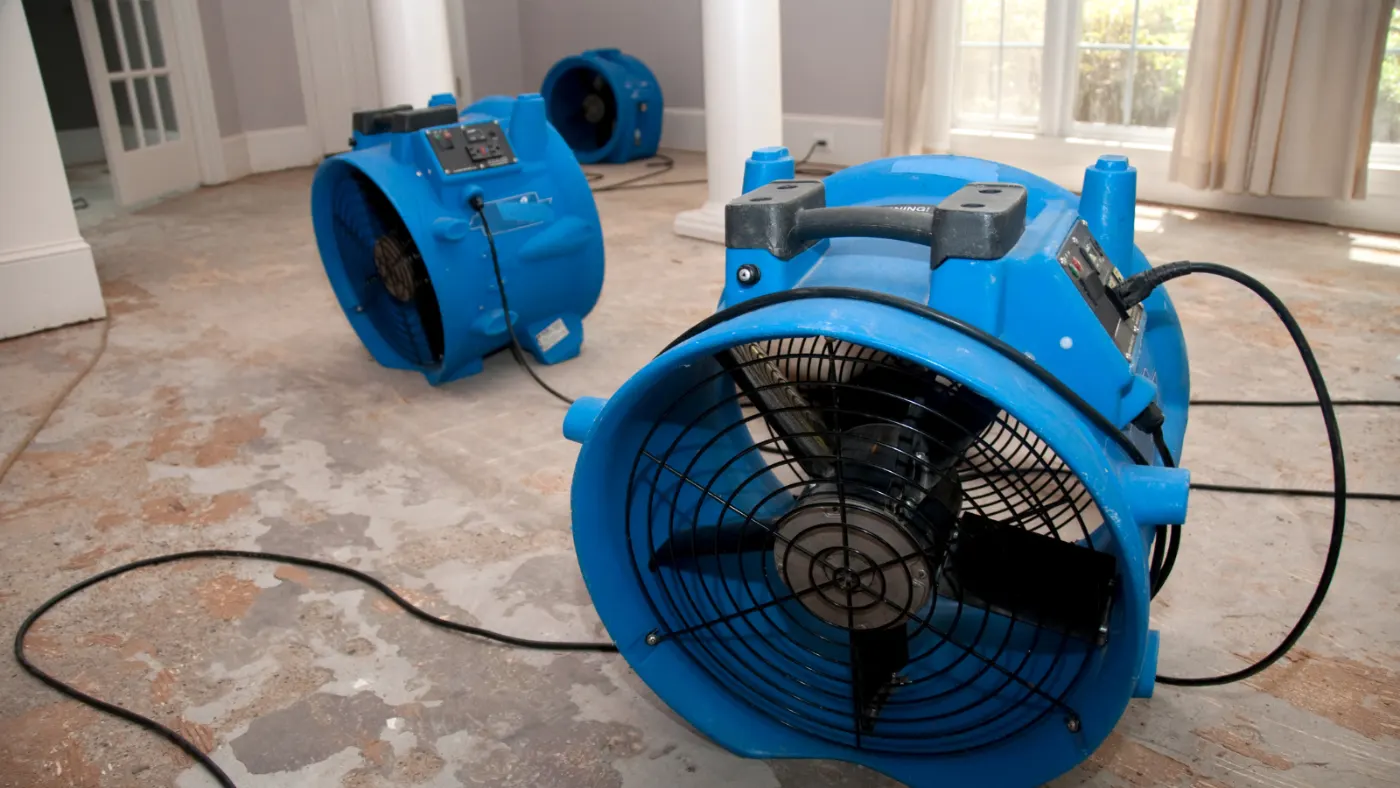
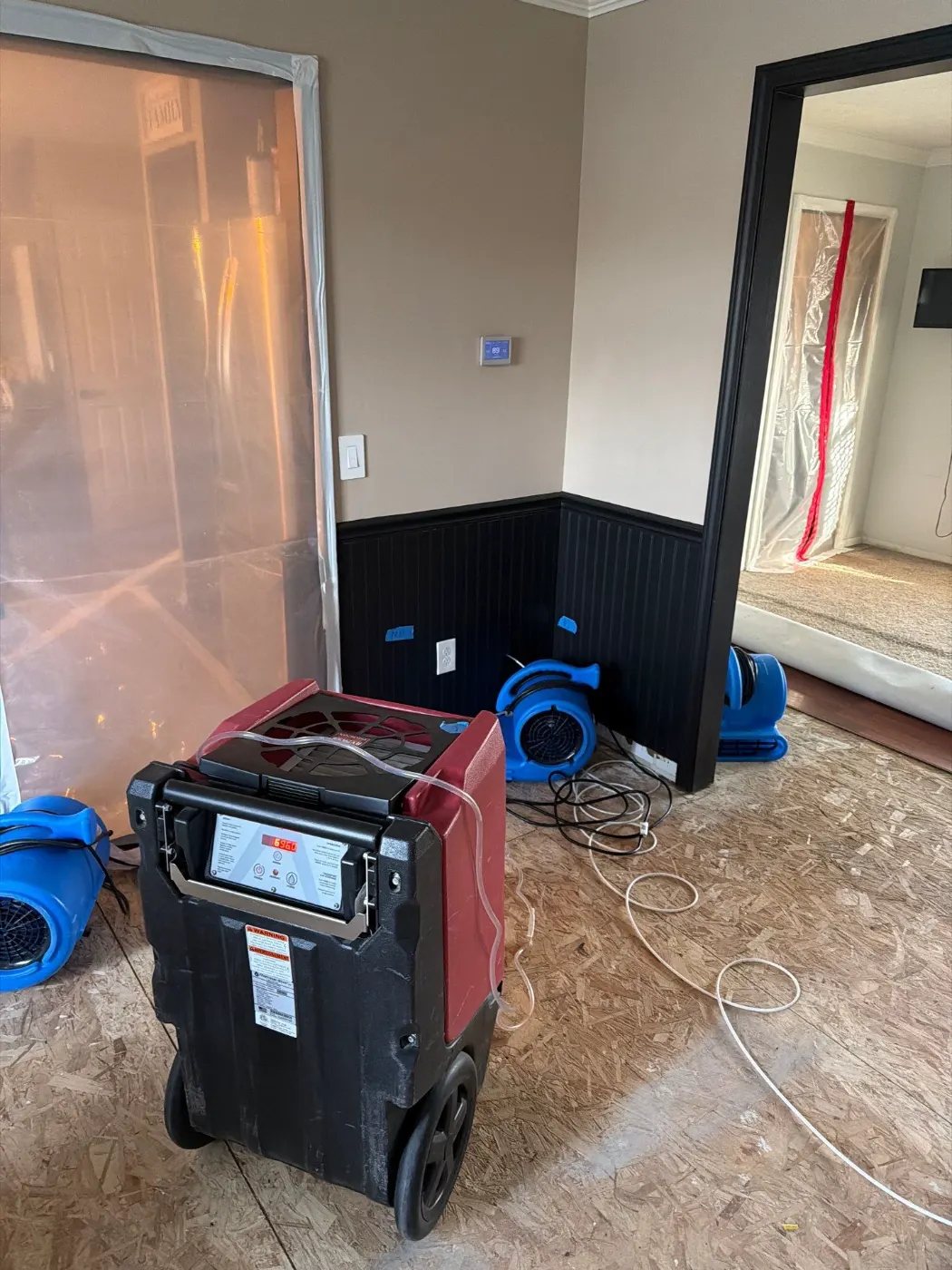
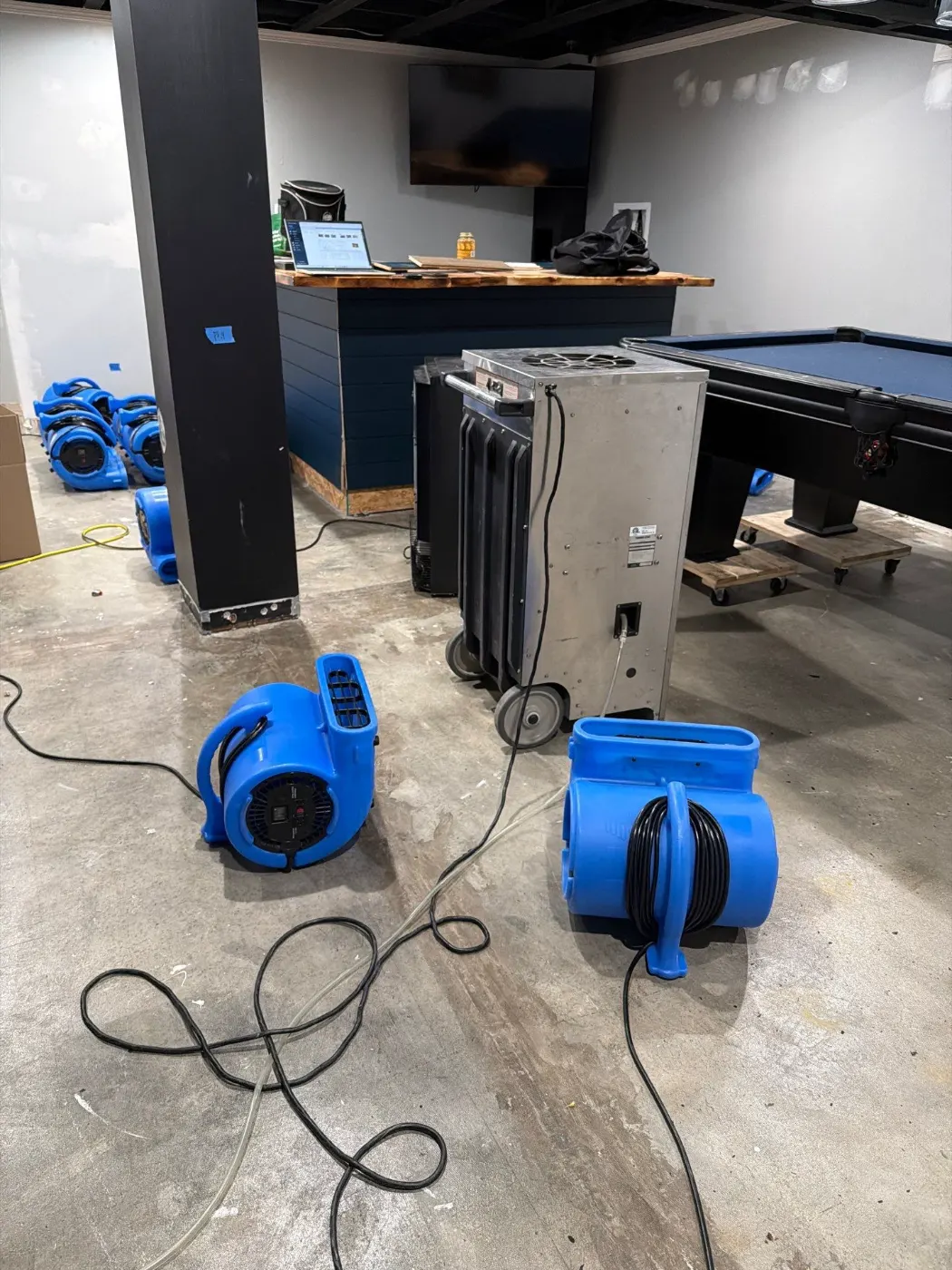
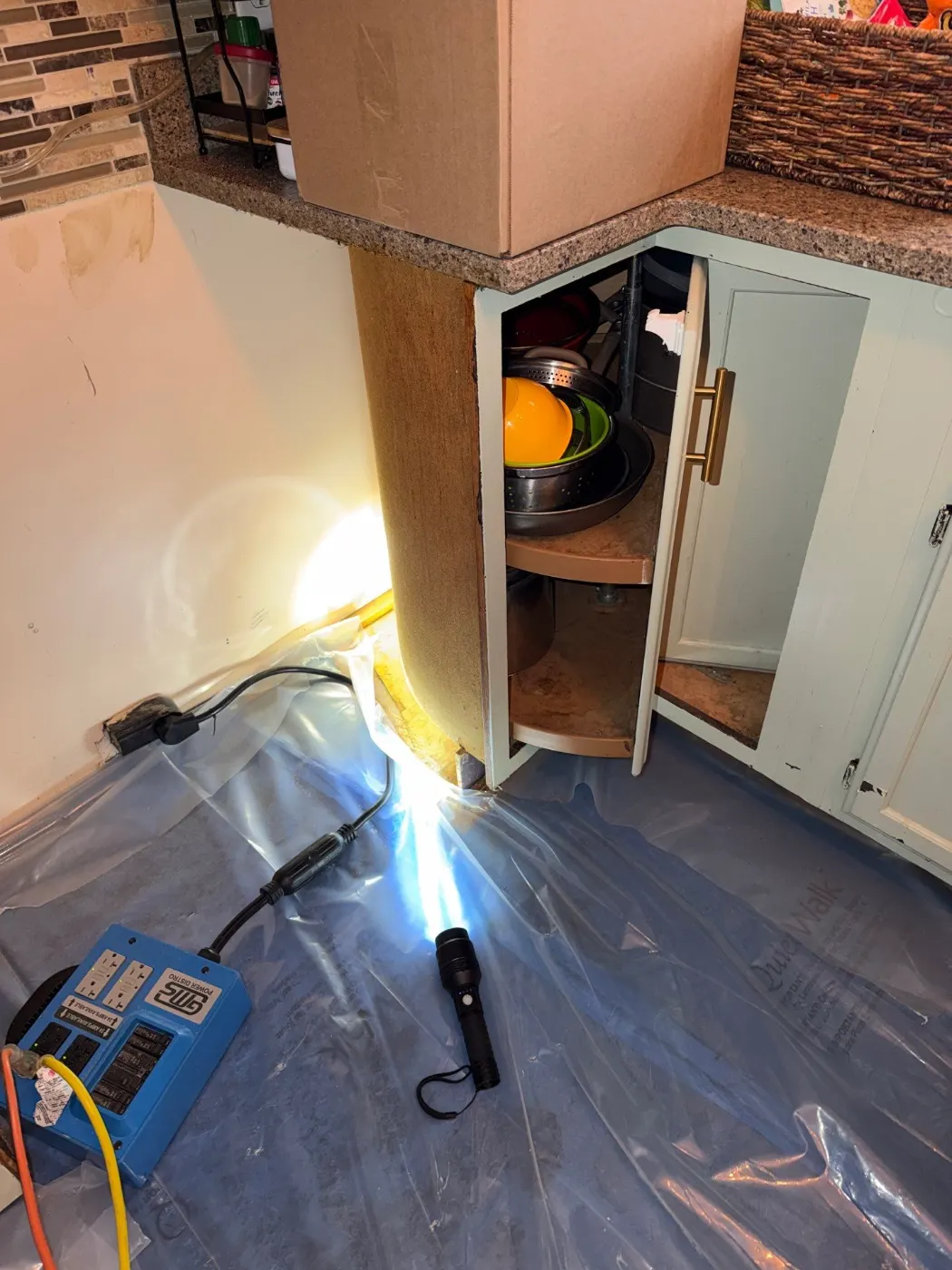
Photographs from real storm damage jobs completed by our crew in Bridgewater Club and surrounding areas.
Storm Damage FAQ
Questions Bridgewater Club homeowners ask us about storm damage restoration.
Guidance and Standards for Storm Damage
- The National Weather Service office in Indianapolis posts summaries of recent central Indiana storm and flood events. NWS Indianapolis Event Summaries
- The Indiana Department of Insurance advises against permanent repairs before your insurance company inspects the damage. Check your own policy for what it covers. Indiana Department of Insurance: Insurance Claim Tips
Bridgewater Club Neighborhoods We Serve
We take storm damage calls in every part of Bridgewater Club. Pick your neighborhood for local details.
Other Restoration Services in Bridgewater Club
Bridgewater Club Water Restoration handles the full scope of restoration work. Explore our other services below.
Water Damage Restoration in Bridgewater Club
24/7 emergency response. IICRC certified water restoration from extraction to full dry out.
Learn more →Basement Flooding in Bridgewater Club
Basement water emergencies handled fast. Extraction, drying, mold prevention.
Learn more →Sewage Cleanup in Bridgewater Club
Category 3 biohazard cleanup. Full containment, decontamination, structural restoration.
Learn more →Request Storm Damage Restoration
Reach Us Directly
Our team is available 24/7 for emergencies and ready to schedule inspections during business hours.
Need Immediate Help?
For active water or mold emergencies, call us directly. We are available 24/7.